This feels a bit cringe.
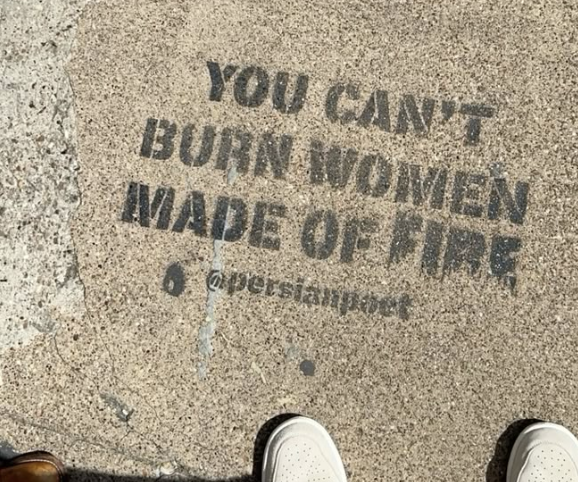
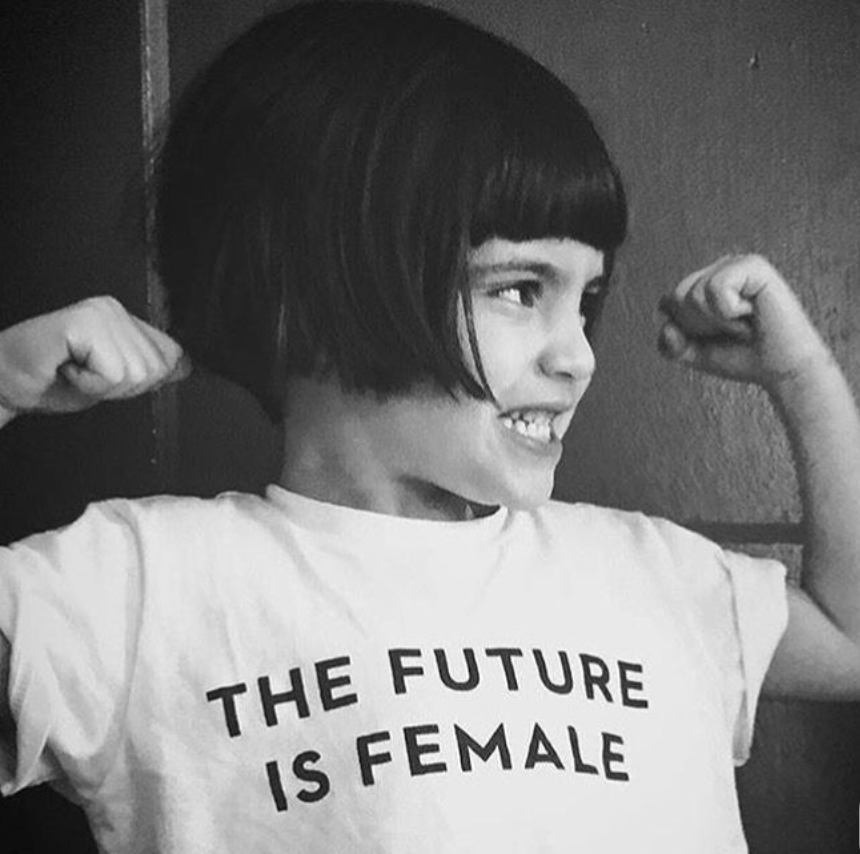
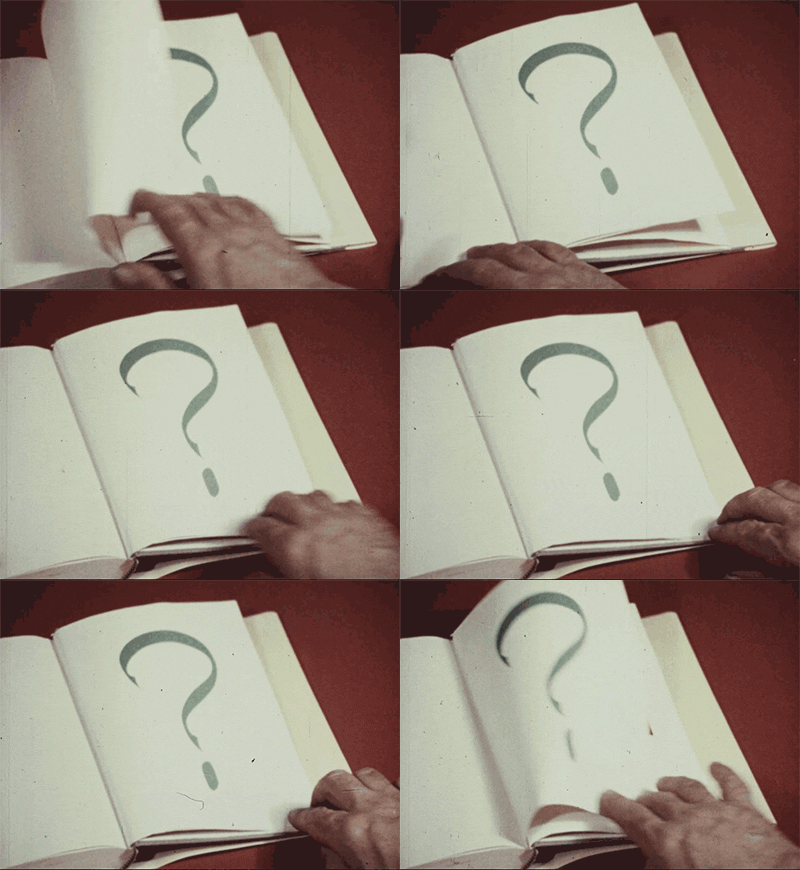
I'm going to share some of the art I created when I was in University studying Fine Art. I'm a very different person these 28 years later, and I can clearly see the experimentation that was taking place. But what I'm actually sharing with this throwback art, is the story of how I learned to make things for approval instead of for truth.
And it's very likely you've learned the same thing because...
Somewhere along the way, marketing was framed as something outside of you.
Something to learn, something to master, something to get right, rather than something that emerges from you when you’re willing to tell the truth in a way that can actually be heard.
So what happens in this distortion?
The language you use gets cleaner, but it also gets flatter and the edges that made your work feel alive get softened into something more digestible, more strategic, more aligned with what you’ve been told “works.”
And while that might get attention, it rarely gets the kind of resonance that actually builds a reputation and a business that feels like it belongs to you.
Take, for example, this image I took of a dear friend in University:
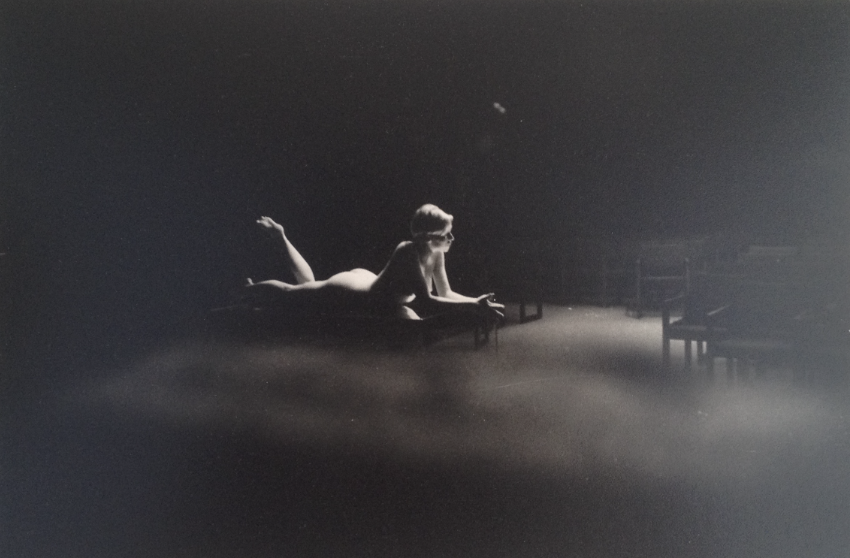
She's lying on a church's front table, completely exposed.
At the time, I wasn’t thinking about how this would be received. I wasn’t asking if it was appropriate, marketable, or palatable. I was following an instinct deep within that knew the female body was both invisible in its humanity and hyper-visible in its form.
This was one of my attempts to change the narrative, to put it in a place of worship... but to do it, we had to sneak in, stay quiet, and sweat the feelings of guilt as I put my camera lens through the carpeted mail slot, listening for the door.
There was risk in it... and that’s the part I want you to see.
Because somewhere after this, I started editing that instinct out of myself and started considering the audience before the truth. Softening the edges before anyone could push back. Translating what I felt into something more acceptable, more explainable, more… correct.
And this is exactly what I watch happen in marketing all the time.
What if the issue isn’t your messaging… but the lens you’ve been taught to look through when you create it?
You’re taught to refine your message until it’s tight, targeted, and optimized for response, to understand your audience so well that you can anticipate their desires and speak directly into them, and to shape your words in a way that increases the likelihood of conversion.
And again...there's intelligence in this. It's not all bad.
Understanding human behavior matters.
Knowing how people make decisions matters.
Clarity that removes confusion matters.
But when stats become the dominant orientation, something essential starts to slip through the cracks.
And you feel it. I know I do.
When this happens my marketing no longer feels like an extension of my ideas, and instead, it feels like I’m like I’m working for ‘the man’ at a corporate job that I need to convince myself to wake up for (even though I work for myself, from home, and love what I do).
When my marketing is at its best (and by best I mean converting well, and feeling like a sweet, creative process), it’s always when I’ve uncovered and shared some key truths within my personal process. It’s when I take away the hustle, step into what’s real and alive, and play with some ways to share it.
And in the process, I feel tapped into my truth, my heart, and in turn, my community. Because the people I’m talking to don’t want to be considered a stat - they want to feel me talking to them.
And so I can’t begin with, “Will this land?”
I need to begin with “What is true, even if it doesn’t?”
When done from this place of truth, marketing becomes art.
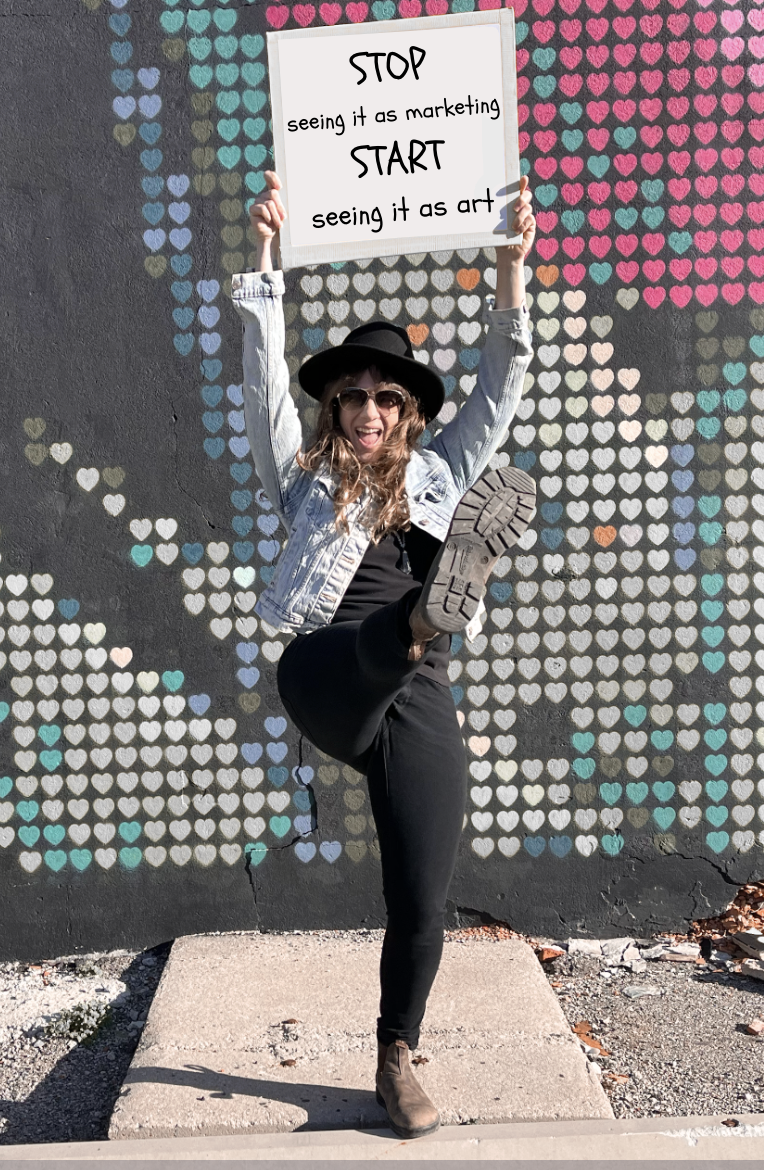
Art is willing to hold tension, contradiction, and complexity without rushing to resolve it into something neat and palatable.
Art trusts that the right people will feel it, even if everyone doesn’t.
Instead of sitting down to figure out what to say in order to make something sell, you begin by listening for what is actually there to be said, what is pressing at the edges of your awareness, what truth feels like it’s asking to come through even if it hasn’t been perfectly formed yet.
When you start treating your marketing like art, you stop trying to manufacture response and start allowing transmission.
Key takeaways from this shift?
You'll move out of performance and into presence.
Out of positioning and into perspective.
Out of trying to sound “right” and into sounding unmistakably like yourself.
In essence, just like the creation of art, your marketing should feel like a journey of getting to know yourself even more. And that type of authenticity will draw the right people closer and create friction with the wrong ones. Don’t worry when this happens. It's not a loss of strategy, but instead, it's strategy at a higher resolution.
We don't want to bring people into your world who are responding to a version of you that was shaped to be received rather than being revealed.
There's a high cost to that and it's clients who don't quite see your brilliance, conversations feel slightly off, and business might work, but it won't feel like flow (cue burnout down the road).
Possibly the biggest challenge within this shift is that this way of creating asks something of you that most strategies avoid… your willingness to be seen without the usual layers of protection.
Because when you create from truth instead of from strategy alone, the safety buffer is removed.
You can’t dilute your voice to make it universally agreeable and you can’t pretend neutrality when you actually have a perspective.
Marketing is the moment where your lived experience becomes language, where your perspective takes shape in a way that others can enter, and where the intangible essence of what you do becomes something that can be felt, understood, and chosen.
So if you’re feeling stuck, or like your words aren’t quite landing in the way you know they could, try this instead of reaching for another strategy:
Pause long enough to actually hear yourself.
Ask yourself what you’re actually trying to say, what feels slightly dangerous to name out loud, and what would be left if you stopped trying to make it palatable and started making it honest.
Start there.
Then give it structure so it can move.
But don’t strip it of the very thing that made it worth saying in the first place.
Because the work that builds trust, depth, and real momentum doesn’t feel like marketing when you’re inside of it.
It feels like clarity, truth and something clicking into place that was always there, just waiting to be named.
And yes, when you do it this way, it sells.
Create something real enough that the right people can recognize themselves inside of it so they can trust you to take them somewhere they already know they’re meant to go.